Residential & Individual Gundog Training

Puppies • Young Dogs • Established Working Dogs

Beating • Picking Up • Peg Dogs

Dogs Welcomed From Across The UK

£75 per day • Individual Training • Progress Videos • Owner Tuition • Ongoing Support 


working dog training

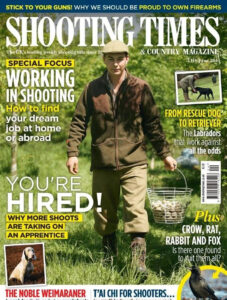
The article detailed my work with the Lab Rescue Trust and interviewed me about my working dogs that were all rescues. 

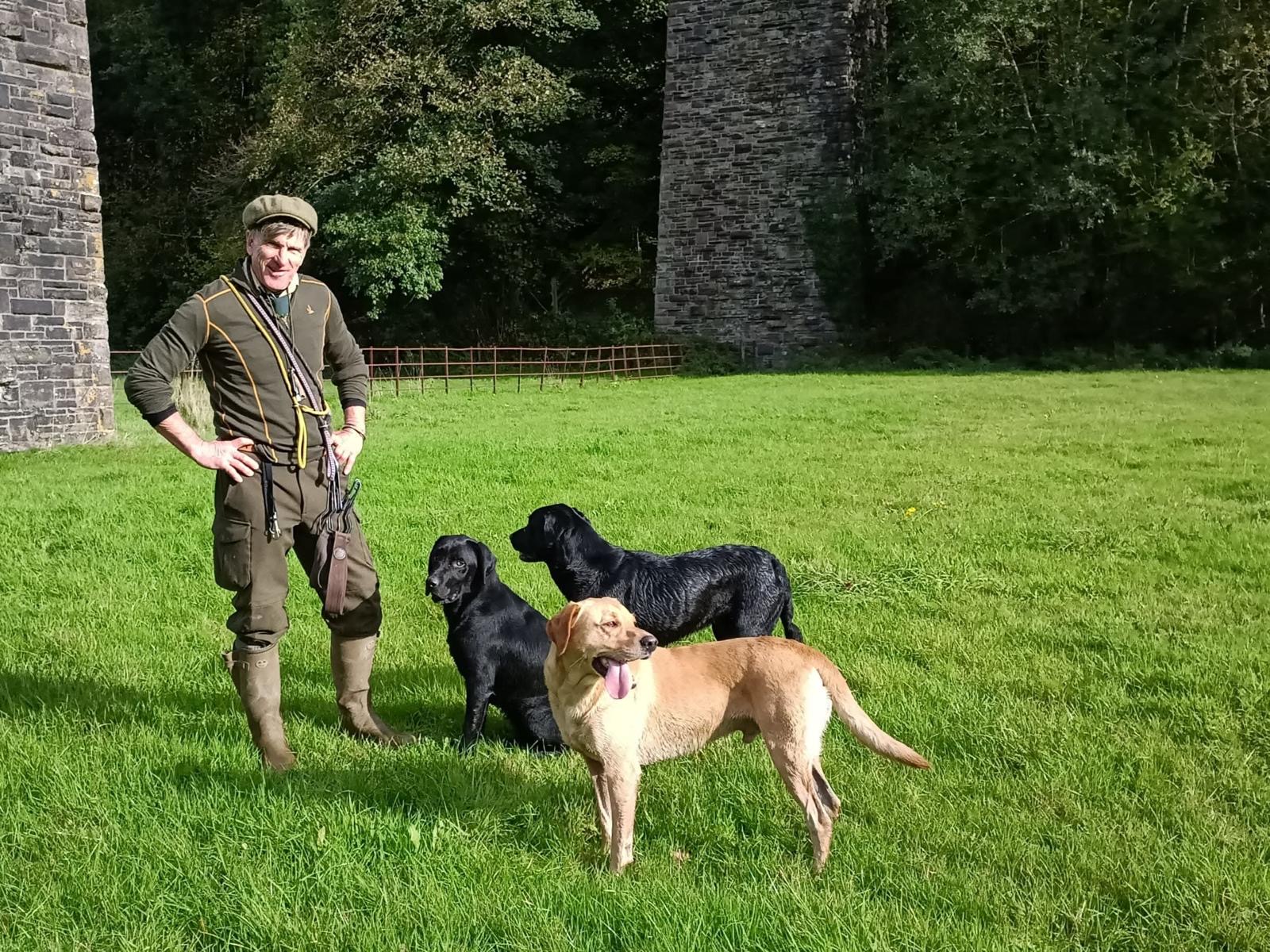
I currently have a pack of eleven dogs, all labs and spaniels. Nine of them are working and eight of these are rescues/rehomed.

The gundogs also help with my rehabilitation work so they have a full and varied life. 

Even after retirement the older dogs help me with the gundog training as the youngsters learn from them. Although, after teaching the youngsters a thing or two they retire to the gunroom or lounge settees – if the fire is lit!

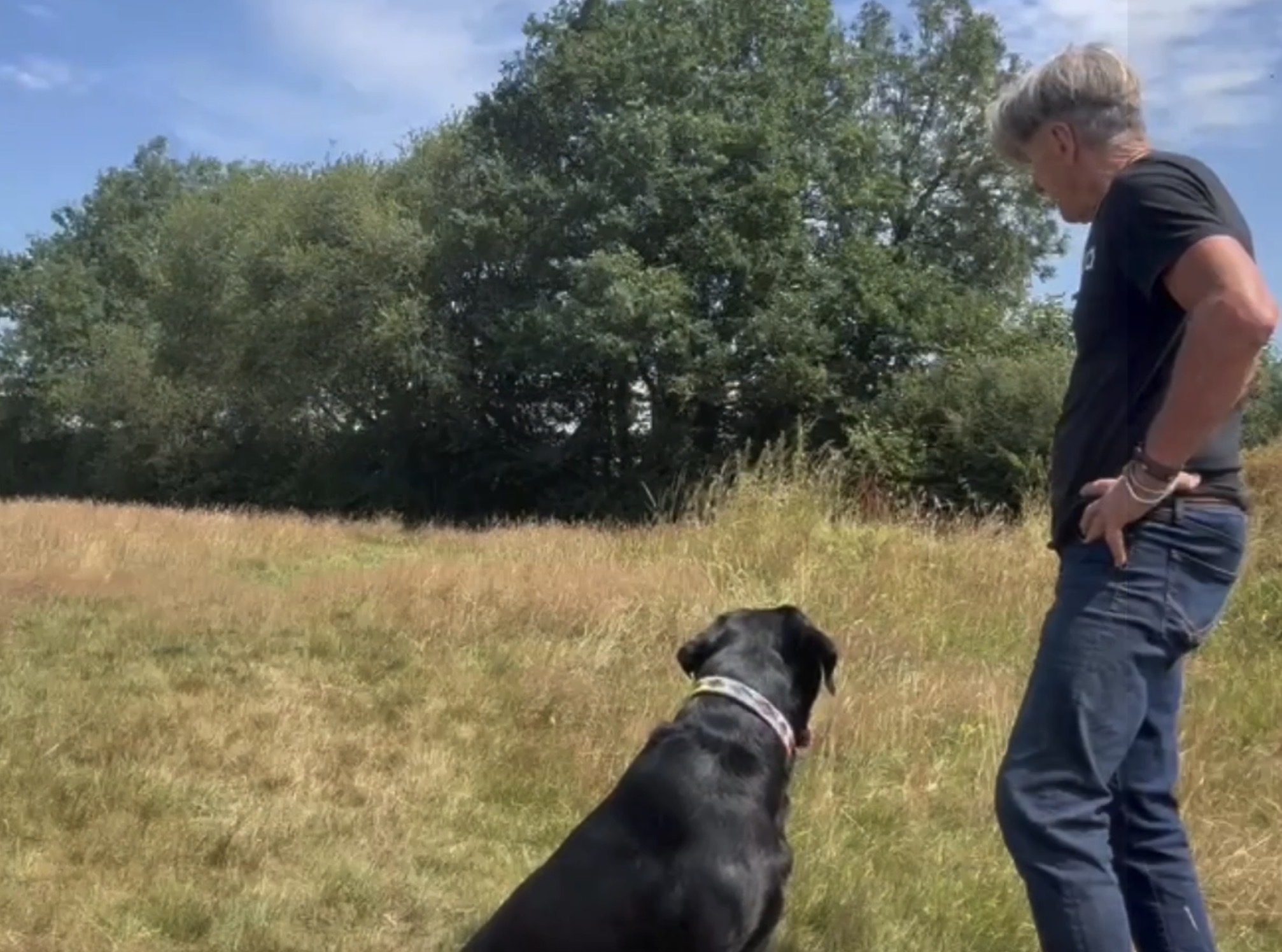
I grew up around gundogs as my father trialed and picked on invitational shoots and I would always be with him. I started working my own dogs from age 10 and now have taught my stepson how to work his own dogs.

I train dogs to whatever standard you need them to reach; whether you want them to beat, pick up or stand on peg. I will also work on dogs that have developed undesirable habits or just need their skills honing pre-season. 

I work in two ways: most people elect to leave their dog with me where they will live in with our pack. After consultation with you we agree a plan which I will keep you updated on by sending messages and videos of progress. On pick up we run through commands and I get you working with the dog. I am also happy to attend the shoot on the first day you take the dog out so I can help you work in the field.  

More local people take advantage of a more hand on approach where I have a session with you to assess the dog’s needs and then teach you things to practice at home before coming for another lesson.

At all times we work to what you need and you are in control of your spend. 

You probably have lots of questions so please do have a look at the FAQ at the bottom of the page and the videos will provide an insight to how I work.

Thank you for taking the time to look at my page – I hope to be able to help you in the future.

Ian

How Do I train Gundogs?

I vary from many trainers as use communication methods to help the dog understand what you want from them and get them listening.

I find that each dog is different and the first few days is just spent getting to understand what makes them tick. Then I adapt my training to meet their needs. 

Some of the most important aspects of training are ensuring that the dog doesn’t become gun shy, is comfortable jumping into small spaces with other dogs, will remain still whilst other dogs work and is comfortable retrieving game. It is rare that dogs are happy with all aspects and so approaching with understanding is key. 

I don’t do classes and only take a couple of dogs at a time – I simply need the time with them on a one to one basis to truly understand your dog. 

Photo credit: Debbie Tucker

I’ve worked with gundogs for nearly 60 years and it would be my privilege to help you
Click here to get in touch. 

Peg Dog Training - spaniel - 18 Months old

When Fendi arrived for her residential she had some basics and has a beautiful nature – slightly shy but with a really good feel to her. She immediately settled into the pack and was a firm favourite (not least because she was the only bitch in the pack and came into heat part way through her training).

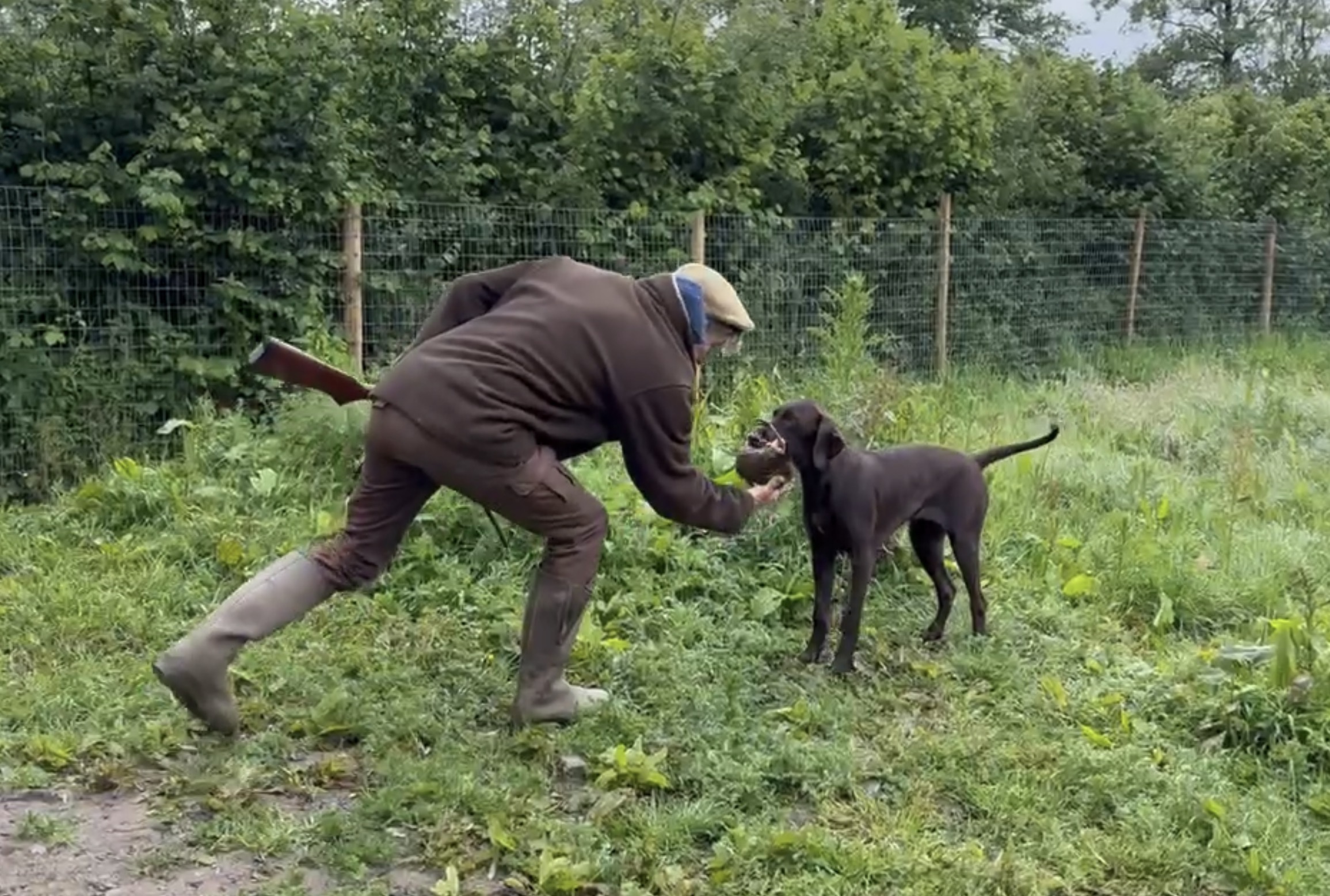
As you will see from the film, she was nervous of game to start and I started her retrieving with just one feather stuck to a tennis ball. I had to introduce a live bird carefully just to make sure she wasn’t put off.

Fendi came to me over the season and so I was able to take her on several live shoots and seeing her retrieve a large cock bird was absolutely phenomenal.

[4 minute video]

Peg Dog Training - GSP - 6 months old

Purdy is possibly the most chilled out puppy I have ever met. Wonderful temperament and demeanour who settled into the pack well. 

The challenge with Purdy was that she really preferred to be sleeping and lounging around so I had to be careful to work at her pace and to accept that things were going to happen a little more slowly than with some other dogs. 

As many will know, HPRs prefer to hunt and point – the retrieve is the sticking point. But Purdy got down to business and was retrieving game to the hand at six months – an amazing achievement for her. 

Interestingly, she got most animated around water so will be a great water dog in the future. 

[4.5 minute video]

Gundog reviews

Often it’s better to read what other people say about my gundog training than trying to explain it myself!

Peg Dog Training - Lab - 12 months

Bax is a well-loved family pet whose owner wanted to take him out on some days shooting but wanted to keep him as the family pet.

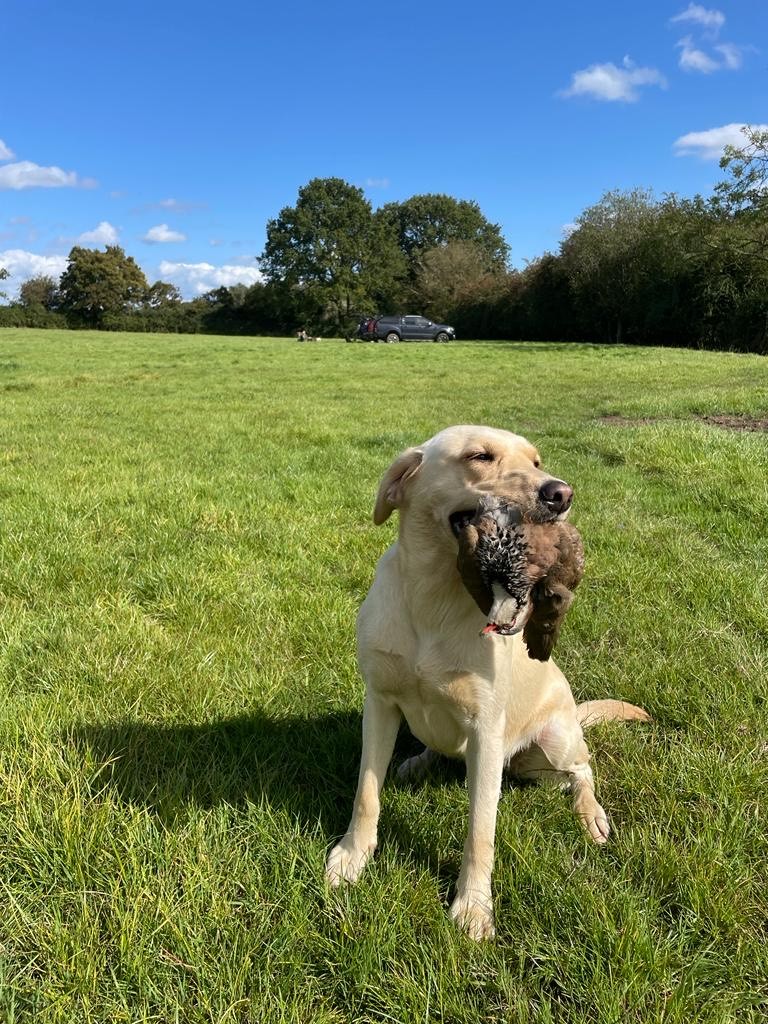
He is a gorgeous boy and you can’t fault his enthusiasm for working. His challenge was that once he had picked up, he liked to have a sniff around before retrieving. Letting him watch my other working dogs retrieve helped him learn what was needed. 

Bax was straight into the water, happy on all retrieves and once a very slight wariness of gun fire was laid to rest there was no stopping him.

[5 minute video]

Peg Dog Training - Red Lab - 12 months

Byron is a pet whose family enjoy regular days out shooting across the UK so needed to be trained to the gun with great obedience.

He is one of the most naturally talented gundogs I have worked with. My main goals were to hone his skills and also ensure that he maintained the family feel for the pet that he was formative – so lots of family time and socialisation was key.

[10 minute video]

Gallery

A few photos from over the years. Many photo credits to the very talented Debbie Tucker (you can tell the ones Debbie has taken!)

FAQs

Will Ian understand my dog?

The first thing that Ian will do is learn about the dog. Ian doesn’t run a specific training  programme but looks at what makes the dog excited about the work and then plays to these strengths. By doing this Ian also learns what the dog doesn’t like and adjust the interactions to remove any unwanted behaviours and/or fears. This is why Ian only works on an individual basis.

Ian owned his first gundog at 10 years and has always had dogs in his life. With over 40 years experience Ian has learned that undertanding the unique character of the dog is key to building the bond that will get the dog to work with you and for you.

What will happen when my dog is away?

When you drop the dog you will sit down with Ian and discuss what you want to achieve and how long, ideally, want to leave the dog for. There are no two training plans that are the same. Ian will do what you want but, if you are new to shooting or a new owner, he will guide you on what you really need to have in place as the basics.

The first 48 hours is the natural settling in time when the dog will get to know our pack and Ian. Ian will be observing what the dog is capable of and really getting to understand what he/she needs.

Then the training will begin. Ian will work on a daily basis with you dog and the time that is spent varies depending on what is being taught. As a rough average it adds up to around an hour a day of specific 1-to-1 training time.

Will I know what to do when I get the dog home?

Ian has all sorts of people sending dogs from completely new owners who want to start a dog shooting and have never been before themselves to people that have been shooting for decades.

When you pick the dog up Ian will have a session with you to hand over commands and teach you how to work with your dog. During the session you will work your dog so that Ian can refine how you communicate with them. 

Ian will also encourage you to ask questions along the way – there are no daft questions. If you see something on a progress video and you are not sure, then ask. Ian is always helping you learn.

After you take the dog home Ian is always on hand to answer questions and provide ongoing support for the lifetime of the dog.

Is this someone who really understands how to train a gundog rather than just general obedience?

Ian has decades of working with gundogs. He first went shooting with his father (who was also a gundog trainer) and started training his first dog when he was in his teens. During his life Ian has worked as a part-time gamekeeper and both picks up on one of the best shoots in the country as well as being part of a syndicate shoot here in Devon.

Ian has trained many different breeds of gundogs and understands breed nuances as well as what is needed to really make a good working dog. 

Where will my dog sleep when they stay?

That very much depends on the dog and, as you would expect with Ian’s style, there is no one answer. If you have a preference you are always welcome to put that forward and we will do our best to accommodate.

We have a kennel block, stables, gunroom and porch that the dogs rotate around depending on the weather and whether they have been working. In the winter the dogs have warm coats and are kept in the stables – all on their own individual beds.

If the dog has a special friend within our pack then we quite often kennel them together.

Will my dog be left in a kennel all day?

Absolutely not! We want the dog to be out and about with our pack as much as possible as they will learn from our pack and be well socialised as we have both bitches, dogs (neutered and entire), all ages, pack standing and temperaments. 

During the day they will be either working, out with the pack and they also tend to be quite partial to the Clare’s office during the day – it has been known for the whole pack to be in the office, guest dogs included.

There are times when they will be in the kennel block naturally, but this is kept to a minimum.

I think my dog might be gun shy - can you help?

The most important thing is that you pick up the phone or drop Ian an email. Over the years Ian has seen all stages of gun shyness and it is not easy to fix, nor is it always fixable. 

We do get a lot of enquiries about this and the best option is always to talk about it to see if Ian can help.

My dog has working experienced but has now has picked up behaviours I don’t want. Can you help?

Absolutely – get in touch. This might not need a residential stay, it might be something we can iron out in one session. Ian is always happy to try and help – and if he can’t fix it, you don’t get charged.

Can you train more than one of my dogs at a time?

Yes, Ian is happy to take more than one dog. Usually he just takes one or two to start as then you can check that you are happy with the outcomes, but if you have more to send then place do get in touch and you can work out a plan with Ian.

Would I be able to bring my dog out with Ian on a shoot day?

The simple answer is yes. Ian can either accompany you to one of your days and work with you and your dog or, by special arrangement, you can accompany Ian on one of his days where you can either work your dog or learn to work Ian’s dogs. 

I want to train my dog to be a gundog but I don’t want to go shooting.

This is fine too. We can either make it a fun thing or work towards working tests. We don’t have to use real game and we can train the dog to the level you want.

I am not sure whether I want to get a gundog and go shooting, but I am really interested, where do I start?

Start by calling Ian. He is happy to talk you through all the breeds, options and find out what you really want to do.

If you are not sure you are always welcome to come and spend a day with Ian to find out what a shoot is all about. Here you can work one of Ian’s dogs to see if it is something that you are interested in doing longer term

There are a lot of trainers out there charging more, why are you so reasonably priced?

Ian gets asked this question a lot, and the honest answer is that we’ve thought about it carefully, and we think what Ian charges is fair.

In his words: ‘every dog is different. Some learn quickly, others take a bit longer, and sometimes a dog just needs another week or two for everything to really come together’. We don’t think you can put a timescale on that. In Ian’s opinion, you can’t honestly say that every dog will achieve a certain standard in three weeks, because that’s just not how dogs work.

When we were talking about it the other day, Ian said that when he used to break and train horses, and it was exactly the same – he couldn’t say how long twenty years ago and he can’t say now. You can’t rush an animal just because you’ve decided it should be ready by a particular date. You have to work with what’s in front of you and give it the time it needs.

That’s one of the reasons Ian keeps his prices where they are. If he thinks a dog would benefit from staying another week, Ian feels that he wants to be able to say that to its owner without them feeling they’re being asked to spend a fortune (although some people are on a time limit and Ian will work to that obviously). Quite often, that extra week isn’t about teaching anything new. It’s about tightening things up, building confidence and making sure the training is properly established.

And because the cost is reasonable, Ian’s owners are often happy to give him the extra time. It takes the pressure off everyone, including the dog.

We are not suggesting that other trainers charge too much. Everyone has their own way of doing things and their own costs to cover. This is just what works for Ian.

As Ian said: ‘I enjoy what I do, I’m happy with what I charge, and I think my clients get good value for their money. I don’t see any reason to charge more simply because I could. At the end of the day, I’d rather have the time to do the job properly than have a dog go home before it’s ready’.

It’s as simple as that really.
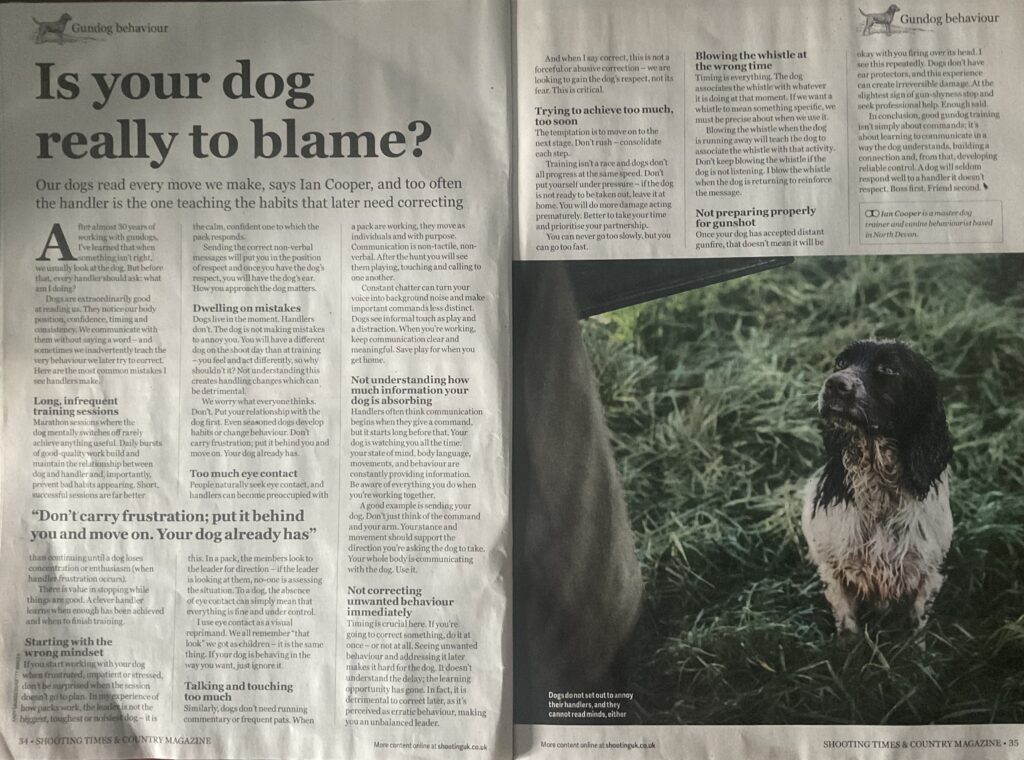
Shooting Times - 14th October 2026

Ian was approached to write an article about ‘10 things handlers do without realising that are detrimental to their dog’s behaviour’. Here it is. 

It’s great to get the opportunity to write for such a renowned magazine and we do thank The Shooting Times for the opportunity.

Please do get in touch if you would like to speak to Ian about training or discuss any of the points in the article 

 
Credit: The Shooting Times
IMG_3457

Made in Devon

The Fieldstick

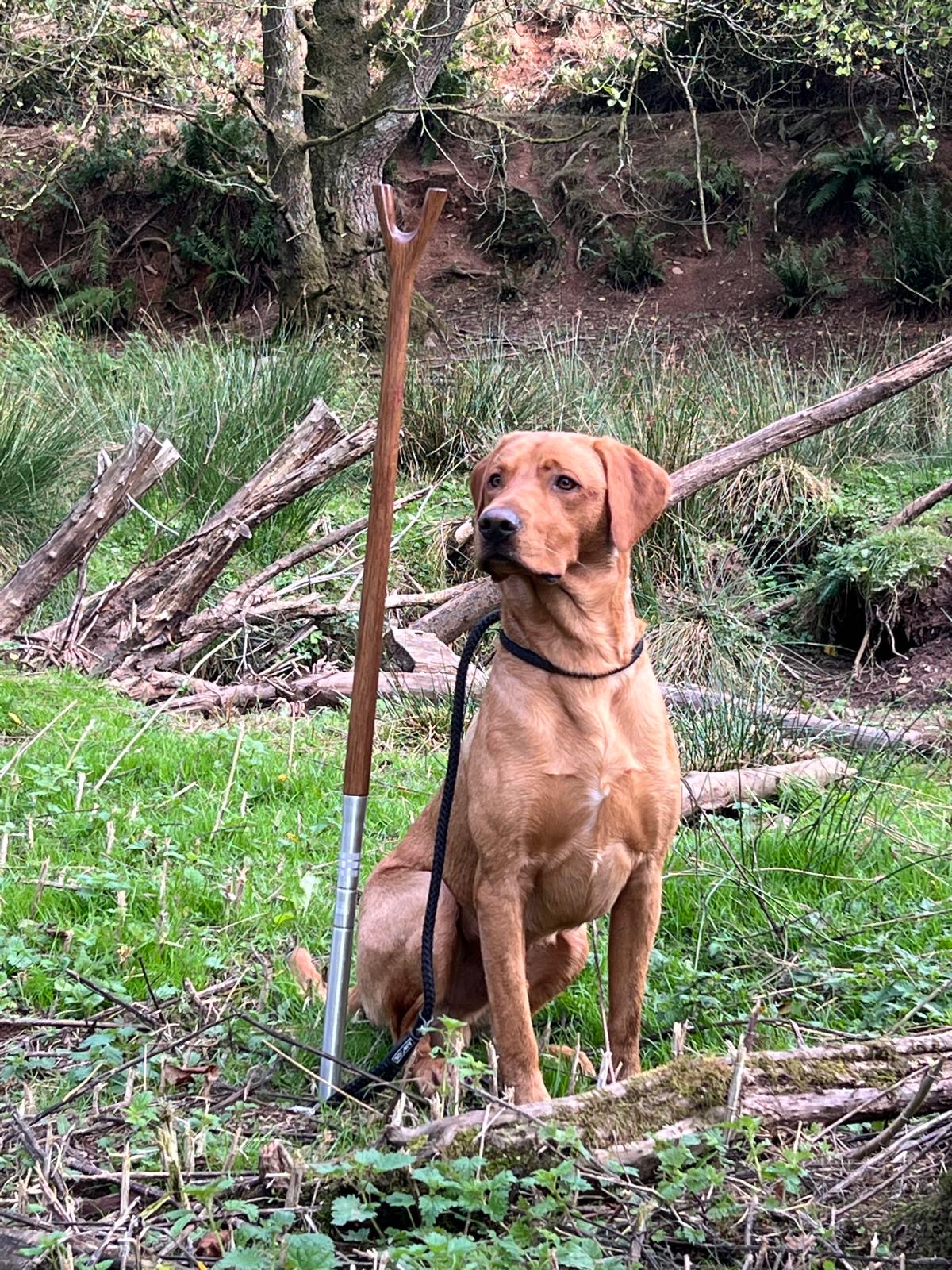
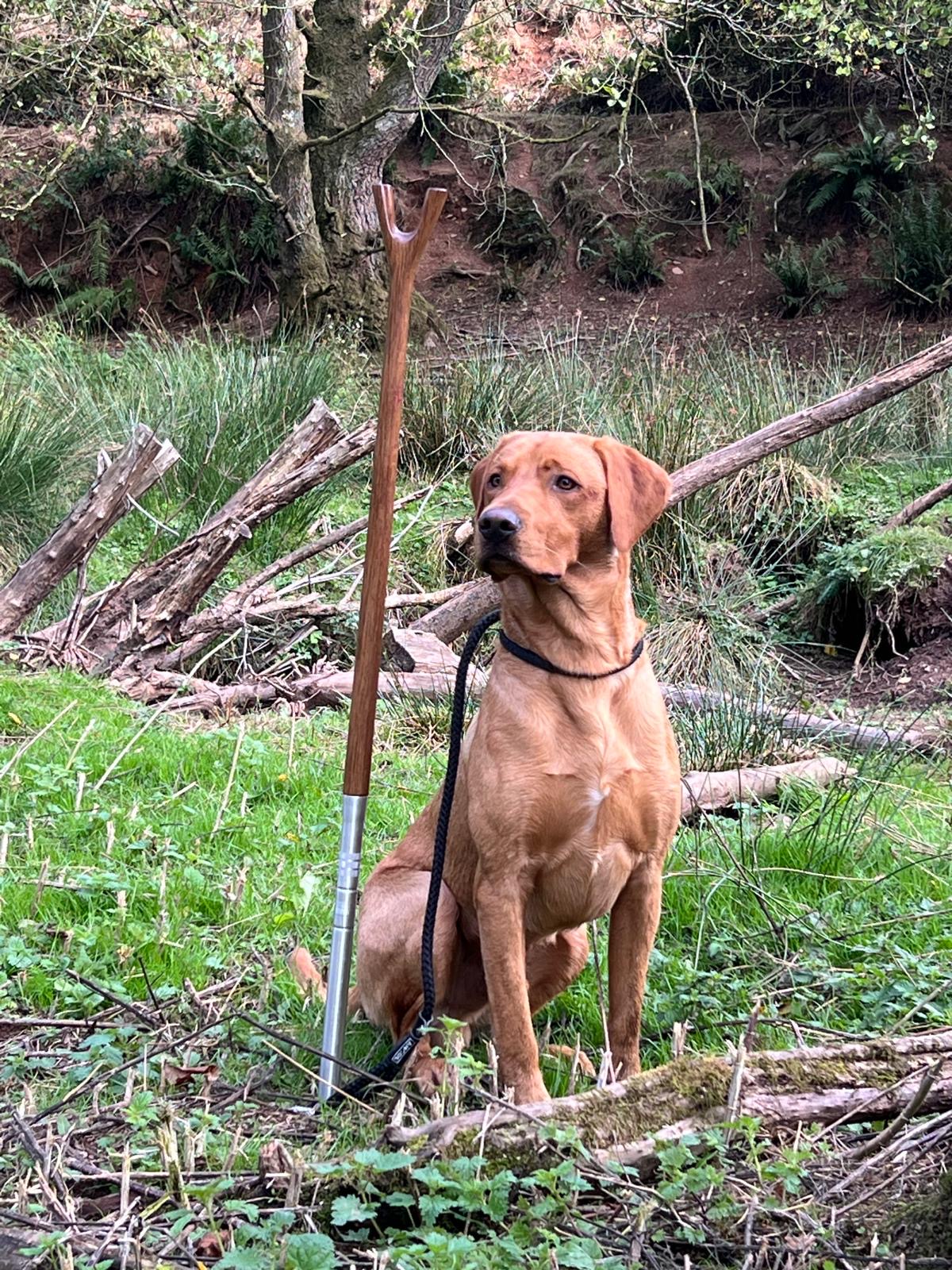
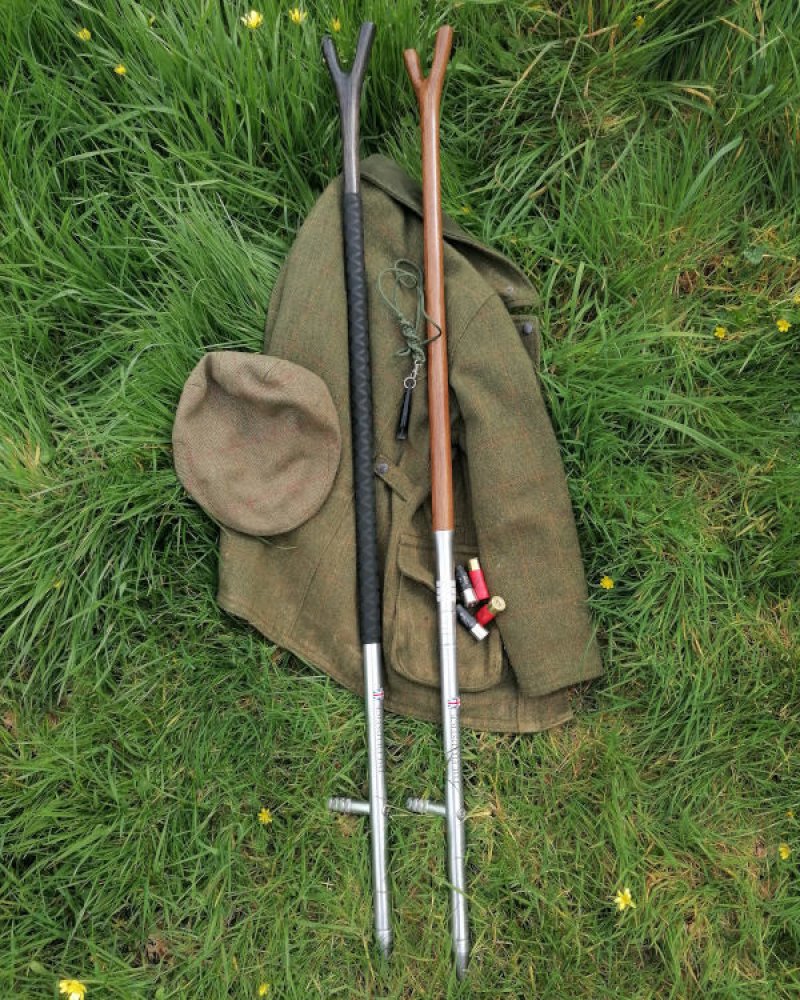
One tool that Ian has served Ian well, particulary for younger dogs who are learning to be steady is The Fieldstick. Knowing your dog is safe on the peg with no risk of running in is invaluable when you are shooting.

Ian and Paul have shot together for many years and we can vouch for the quality and workmanship of the sticks. One thing to note is that Paul has quite a back order so do take into consideration if you are looking at getting one.

Here is some information about Paul and The Fieldstick:

The Fieldstick was founded in 2010, prior to this Paul created the stick out of necessity. After coming into ownership of a particularly eager Springer Spaniel, Paul realised that a solution was needed to tether the hound and allow for an enjoyable shoot day (for all!)

Paul decided to craft himself a walking stick that could serve to anchor the ever-hunting Jasper, after much success with this homemade prototype Paul expanded the design, adding magnets for cartridge storage.

When The Fieldstick then became a public product other features were added, including the option for a detachable spike, a canvas case to keep the stick safe and the car clean, and, when Paul’s back requested it, a magnet in the tip of the spike to avoid bending to collect those pesky empty shells.

This personal, homegrown product of necessity emerged and evolved into the beautiful, handmade oak walking stick that is available for purchase today.