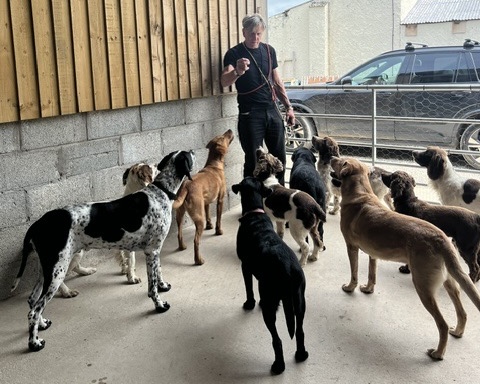
Introducing Ian Cooper - Master Dog Trainer with over 30 years experience

Over the years I have asked myself if the relationship between horse and man, and dog and man is so different. I’ve come to the conclusion that it isn’t. I’ve found that the key to a strong relationship between an owner and their animal is the owner; how they communicate, how deeply they understand their animal.

I have been horse riding since I was 6. I’ve been working dogs since I was 10.  I have grown up around animals and owned both horses and dogs most of my life.

I live in North Devon with my family, just on the edge of Exmoor. Many of my clients say that I have the best job in the world, and I have to say that I am inclined to agree. I absolutely love what I do.

Why a dog Behaviourist

In the 1990s I worked with a horse whisperer and then learned how to transfer those skills to dogs. Over the last thirty years I have studied how dogs work as part of a pack and how their behaviours are governed by their wolf ancestry.

Dogs are my life and we currently have a pack of ten dogs (we’ve added a couple to the pack above!) who help me when I train. Most of the pack are rescues, the majority of them to be euthanised for aggression/reactivity. When I look at them I am so grateful that either the vets or owners contacted me so that I could assist. Over the years I have rehabilitated and rehomed many, many dogs but most of the rescues that we keep are ones that would not adjust and so they stay with us.

My core motivation is to help people understand their dogs better. People talk about dogs ‘living their best life’ and after a session you can visibly see the dogs start to calm and feel happier in themselves, as do their owners – it is a privilege to witness.

There Is Always hope

Many people I see feel that they are at the end of the road with their dog and in 99% of cases that simply isn’t the case. There is hope for anyone who needs help with their dogs, and you will find that almost any dog can be turned around and become a beloved member of the family.

Dogs tend to fall into two categories:

  • those that are amazing in the home and the problems start when they leave the house
  • those that are challenging both in the home environment and outside.

Interestingly enough, they also fall into two further categories: either having problems with people or with other dogs, very seldom both. When I speak to people, I assess whether I need to travel to see the dog in their home environment or whether I can see them in North Devon to help resolve the problems.

My bottom line is that I want to improve relationships and show how some simple changes to how people are with their dogs can have such a large and lasting impact.
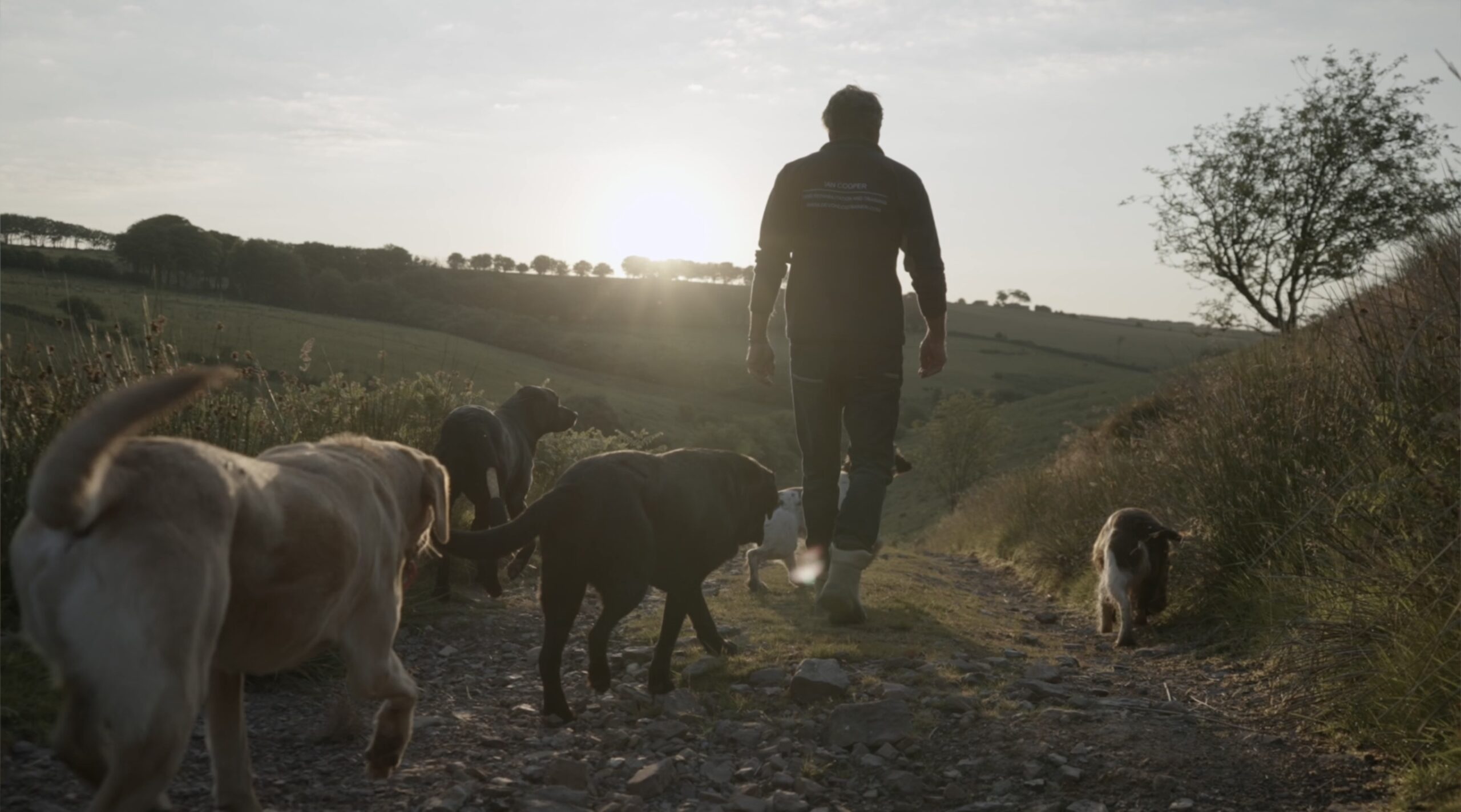
 

Watch the video above to learn more about me

My love of dogs doesn’t just stay at home – whenever we travel (which isn’t very often due to having the pack!) we try and experience dogs in their own environment. 

The top picture is from our trip to Tanzania where we met Thomas – the dog – and the Anti-Poaching Rangers at the Manyara Post. Thomas had come from Will Powell’s Canine for Consvervation – part of the AWF (African Wildlife Foundation), to which at least £5 from every session is donated. Having the dogs there is the leading reason for the decline in poaching. The dogs are trained to follow poachers but, due to the lack poaching they are now used for other tracking. However, the dogs have to remain in post or the poachers will return. 

Below is from Holmen Husky Lodge near Alta in Norway.  Brage introduced us to the 120 huskies that they have and having the privilege of going out with the dogs. Brage has now taken part in six Finnmarkslopet (Finnmark Race) – 1200km held annually in March – a real test of endurance for all involved. It was fascinating to hear how the sled team was composed and why the dogs are placed in the line up – which also dependent on the terrain and conditions – meaning intimate knowledge of the dogs is essential.